Many original dishes draw largely on the traditions of the seafaring world, celebrating the fresh catch of the Adriatic, while many others showcase local agricultural produce.
Among the typical dishes of the Abruzzo coast, the most representative of Francavilla al Mare are undoubtedly cuttlefish with peas, brodetto alla francavillese and stewed sea snails. These are, of course, joined by all the classics of Abruzzo cuisine, from arrosticini to “pallotte cacio e uovo”, from spaghetti alla chitarra to mixed fried small fish.

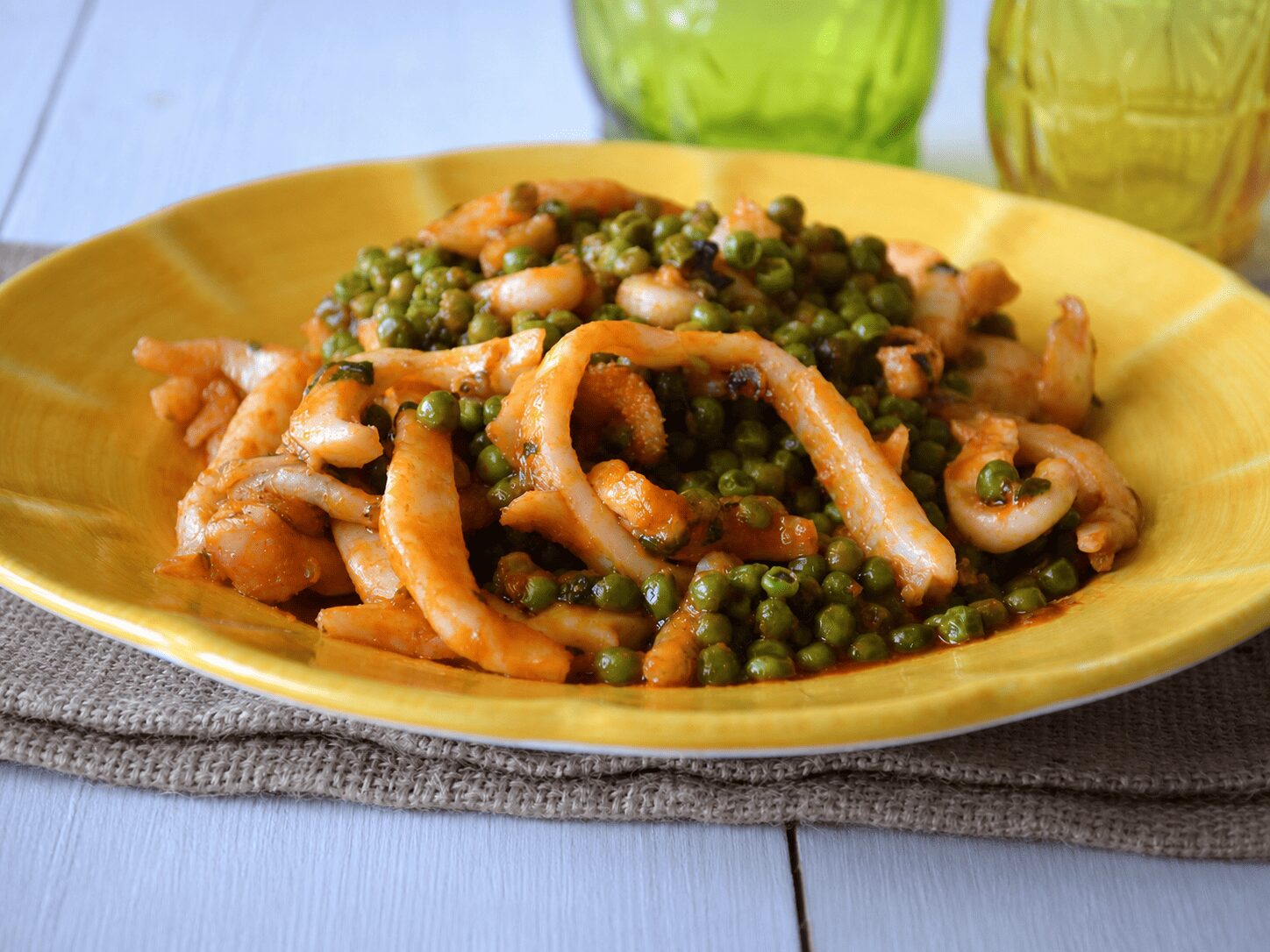
Francavilla-style cuttlefish and peas is a traditional seafood dish and a true classic for 1 May, the feast day of Santa Liberata, patron saint of sailors. The traditional recipe uses fresh Adriatic cuttlefish cut into strips, seasonal fresh peas, fresh cherry tomatoes, extra virgin olive oil, garlic and parsley, all deglazed with a good Trebbiano d’Abruzzo.
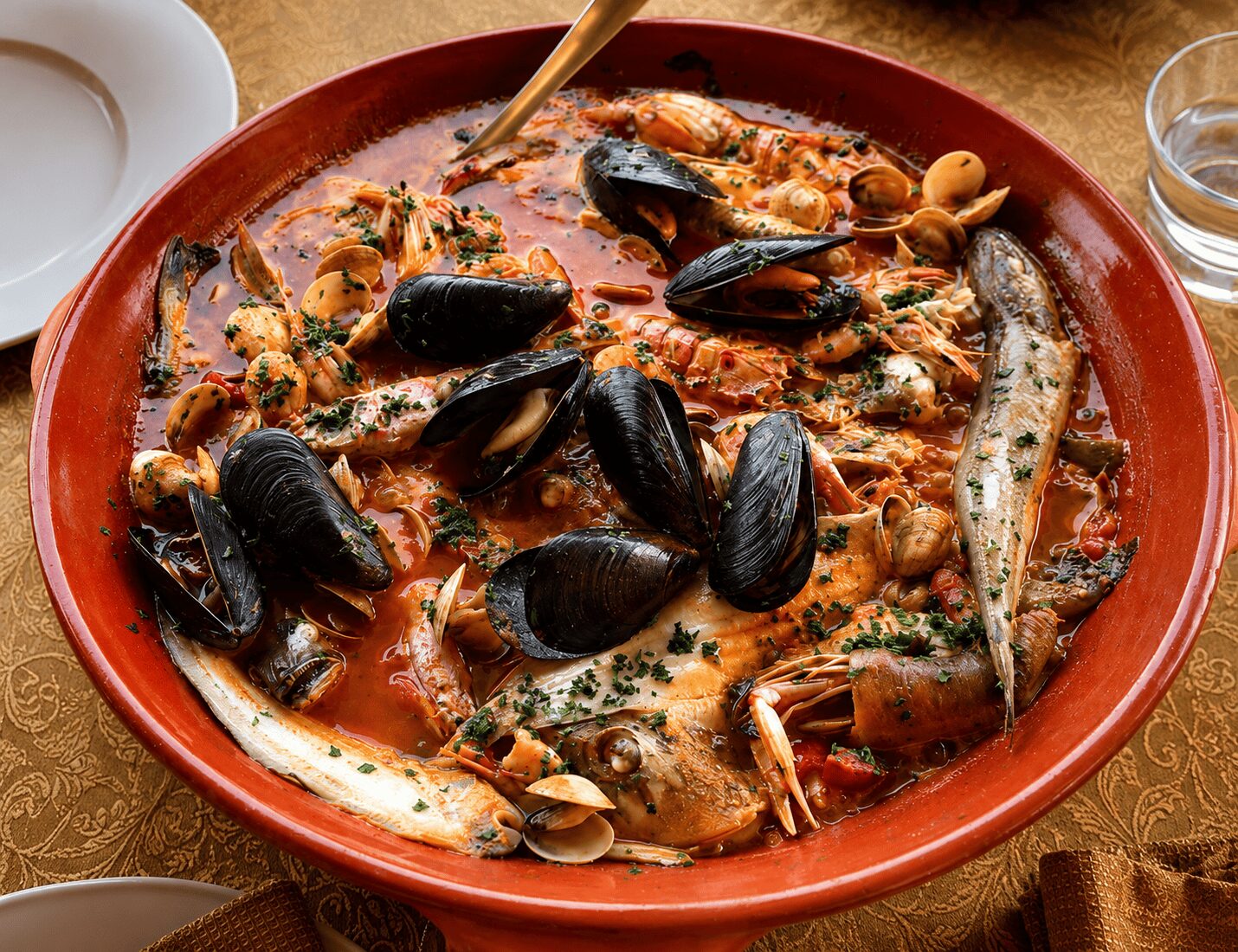
Brodetto alla francavillese is a variation on the rich tradition of Abruzzo fish brodetti, characterised by the use of the freshest Adriatic fish, fresh tomato and slow cooking in an earthenware pot. The fish varieties used in a brodetto include scorpionfish, weever fish, gurnard, sole, hake, cuttlefish, squid, mantis shrimp, mussels and clams, served with toasted rustic bread.
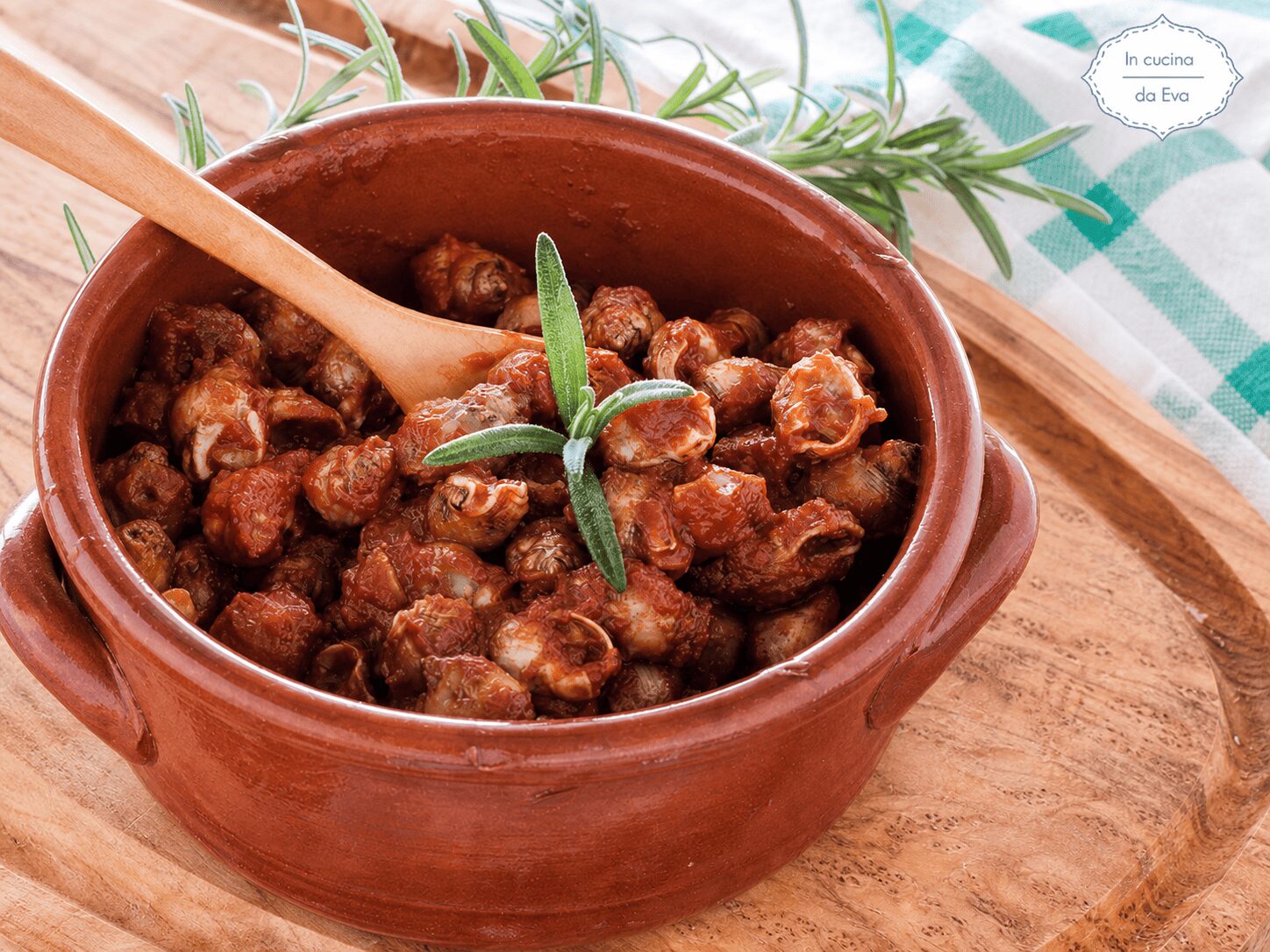
Sea snails, known in Francavilla as “bummalitt”, are a typical dish from the seafaring tradition of Francavilla al Mare. Their fishing is an ancient craft, once carried out using the so-called “cerchietti” and today with “nasse”, though the method remains the same. They are prepared by purging the sea snails, then sautéing them with garlic, extra virgin olive oil, chilli and rosemary, before deglazing with white wine. Tomato passata or peeled tomatoes are then added, and the dish is cooked slowly for around 1–2 hours until the sauce has reduced.

As throughout the province of Chieti, winemaking also plays an important role in the local economy of Francavilla al Mare, offering a wide variety of high-quality wines and boasting a significant number of wine appellations.
You can discover more about the wines produced in Francavilla al Mare by taking part in a wine tasting at a winery. This usually includes a visit to the barrel cellar and vineyard, a tasting of local food products and, in some cases, a fantastic lunch or dinner. Indoor and outdoor wine tastings are available, as well as picnics and other wonderful related experiences.
There are several wineries where you can enjoy this experience:
Via San Paolo n.21, Francavilla al Mare
+39 085 61875
info@pasettivini.it
C.da Setteventi n.20, Francavilla al Mare
+39 331 4628600
info@cantinarapino.it
Strada Sant’Elena n.10/B, Francavilla al Mare
+39 085 915 1482
info@tenutamasciangelo.com
As throughout Italy, viticulture also holds a prestigious place among Abruzzo’s agricultural activities, particularly the wines produced in the province of Chieti, known for their originality and quality.
In Francavilla al Mare, local producers have sought out the best locations for their vineyards in order to obtain grapes suited to producing wines that meet the high standards found across the province. As Francavilla al Mare is a coastal town, its proximity to the sea and the salty breeze help give the wines of this area the distinctive minerality that sets them apart.
A symbolic grape variety of the region, producing deep ruby-red wines with notes of red fruits, spices and balanced tannins.
A rosé made from Montepulciano grapes, known for its cherry colour, freshness and intense aromas of leafy notes and pomegranate.
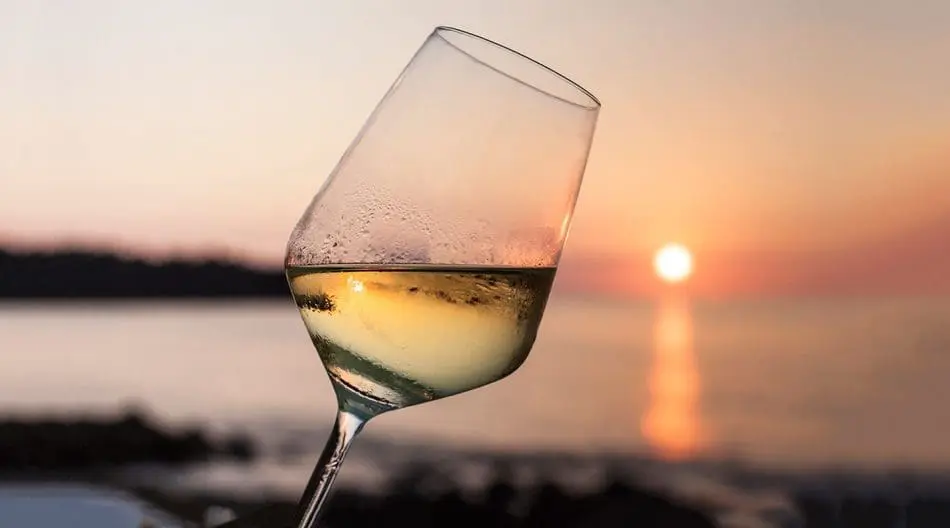
One of the region’s finest white wines, straw-yellow in colour, aromatic, dry and well structured.
A white grape variety that is growing rapidly in popularity, producing fresh, mineral wines with good structure and alcoholic strength.
Slow Food is a major international non-profit association committed to restoring food to its rightful value, respecting those who produce it and working in harmony with the environment and ecosystems, drawing on the knowledge safeguarded by local areas and traditions.
Francavilla al Mare is home to a Slow Food Convivium, with active members who organise events, dinners, tastings and taste education courses to promote a way of eating based on the principles of good, clean and fair food.
“Good” means quality food that is fresh, seasonal and respectful of local identity. “Clean” refers to sustainable production and consumption practices that do not harm the environment, animal welfare or health. “Fair” means accessible prices for consumers, fair pay and decent working conditions for producers. Through these activities, the Convivium promotes small local producers and the area’s food and wine traditions.
Slow Food is a major international non-profit association committed to restoring food to its rightful value, respecting those who produce it and working in harmony with the environment and ecosystems, drawing on the knowledge safeguarded by local areas and traditions.