Francavilla has a long history of undeniable historical and artistic value. Founded in the Lombard period, it bears witness to the fact that the area of Francavilla was home, from the earliest times, to important settlements whose continuity can be documented over the centuries.
The first true settlement dates back to the period around 568/569 and was established on a hilltop by a community of fishermen and farmers free from feudal obligations. This is the origin of the name Francavilla, referring to the status of its citizens, who were freed from feudal rule.
In ancient times, the village was surrounded by perimeter walls with three entrance gates: Porta Ripa and Porta San Franco, which faced the countryside, and Porta della Marina, facing the sea. It was also equipped with around twelve defensive towers.
Nel 1501, Francavilla divenne feudo di Costanza D’Avalos D’Aquino con il titolo di ducato e poi di principato; da questa, per donazione, passò ad Alfonso D’Avalos D’Aquino, principe di Montesarchi.
Solo nel 1602, la terra di Francavilla venne in possesso della famiglia Caracciolo, marchesi di Volturara, che l’aveva acquistata per 25.00 ducati da Isabella D’Avalos, oppressa dai debiti;
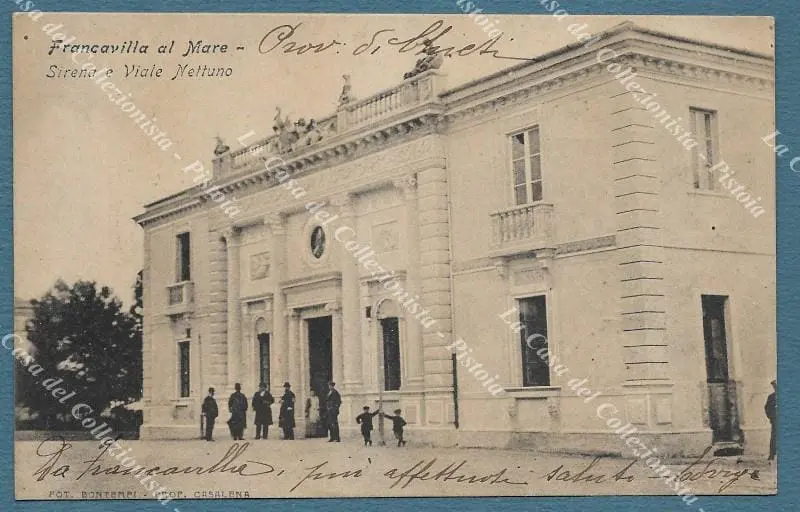
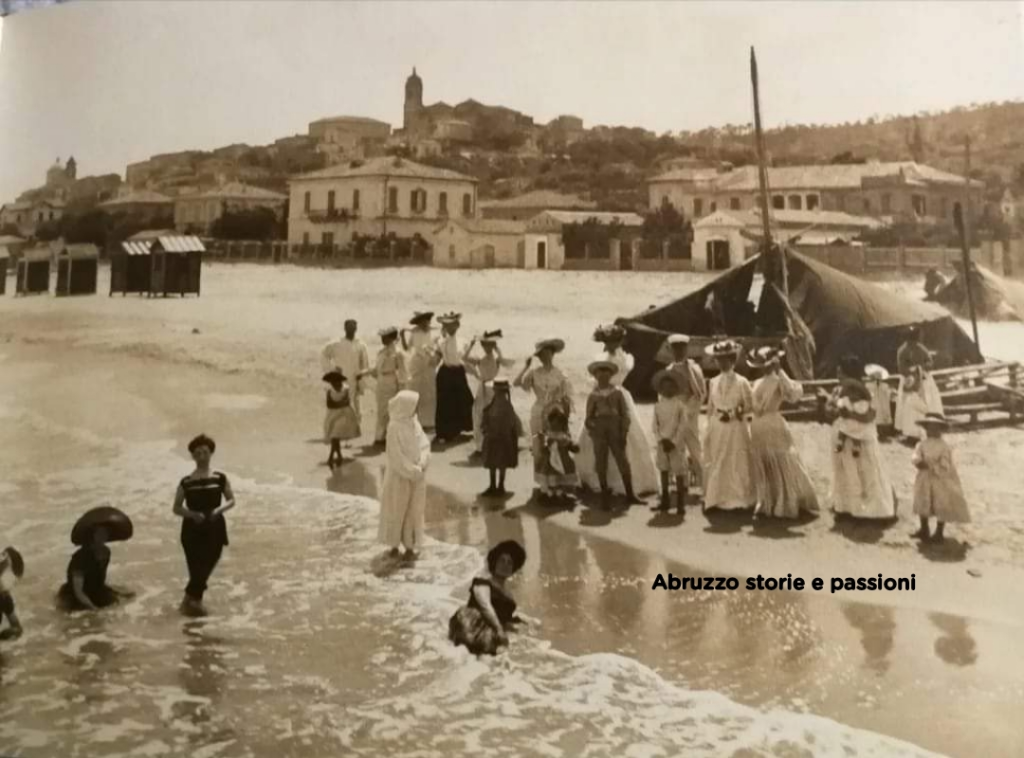
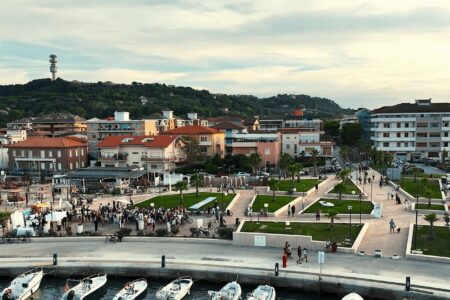
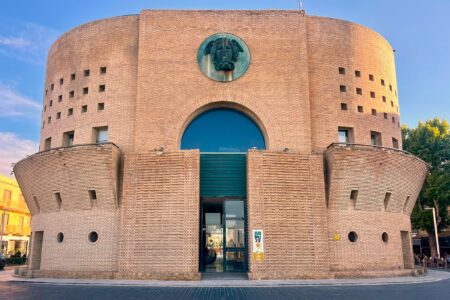
nel 1648 Francavilla tornò tra i possedimenti dei D’Avalos, marchesi di Pescara e del Vasto, che la tennero fino all’abolizione della feudalità. Negli ultimi decenni dell’800 lungo la spiaggia si sviluppo’ il quartiere della Marina, con al centro il Palazzo della Sirena. Il lungo viale alberato, le ricche ville disposte a scacchiera sul mare e gli eleganti alberghi trasformarono Francavilla in una rinomata stazione balneare, facendole conquistare il titolo di “Perla dell’Adriatico”.
In 1501, Francavilla became the fief of Costanza D’Avalos D’Aquino, with the title first of duchy and then of principality. Through a donation, it later passed to Alfonso D’Avalos D’Aquino, Prince of Montesarchi.
It was only in 1602 that the territory of Francavilla came into the possession of the Caracciolo family, Marquises of Volturara, who had purchased it from Isabella D’Avalos, burdened by debt, for 25,000 ducats.
In 1648, Francavilla returned to the possessions of the D’Avalos family, Marquises of Pescara and Vasto, who held it until the abolition of feudalism. In the final decades of the 19th century, the Marina district developed along the beach, with Palazzo della Sirena at its centre. The long tree-lined avenue, the elegant villas laid out in a grid by the sea and the refined hotels transformed Francavilla into a renowned seaside resort, earning it the title of “Pearl of the Adriatic”.
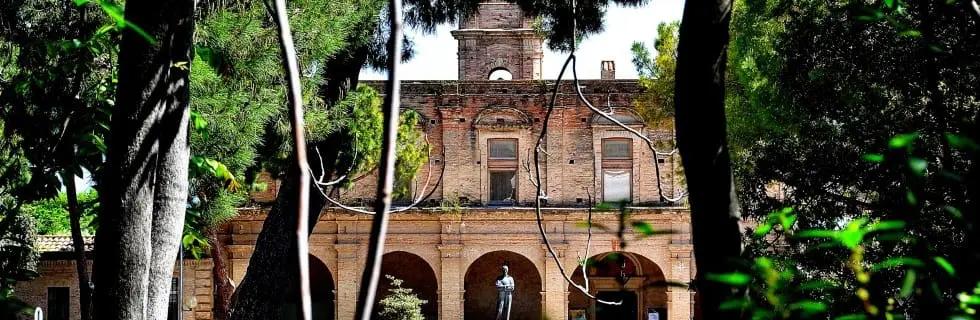
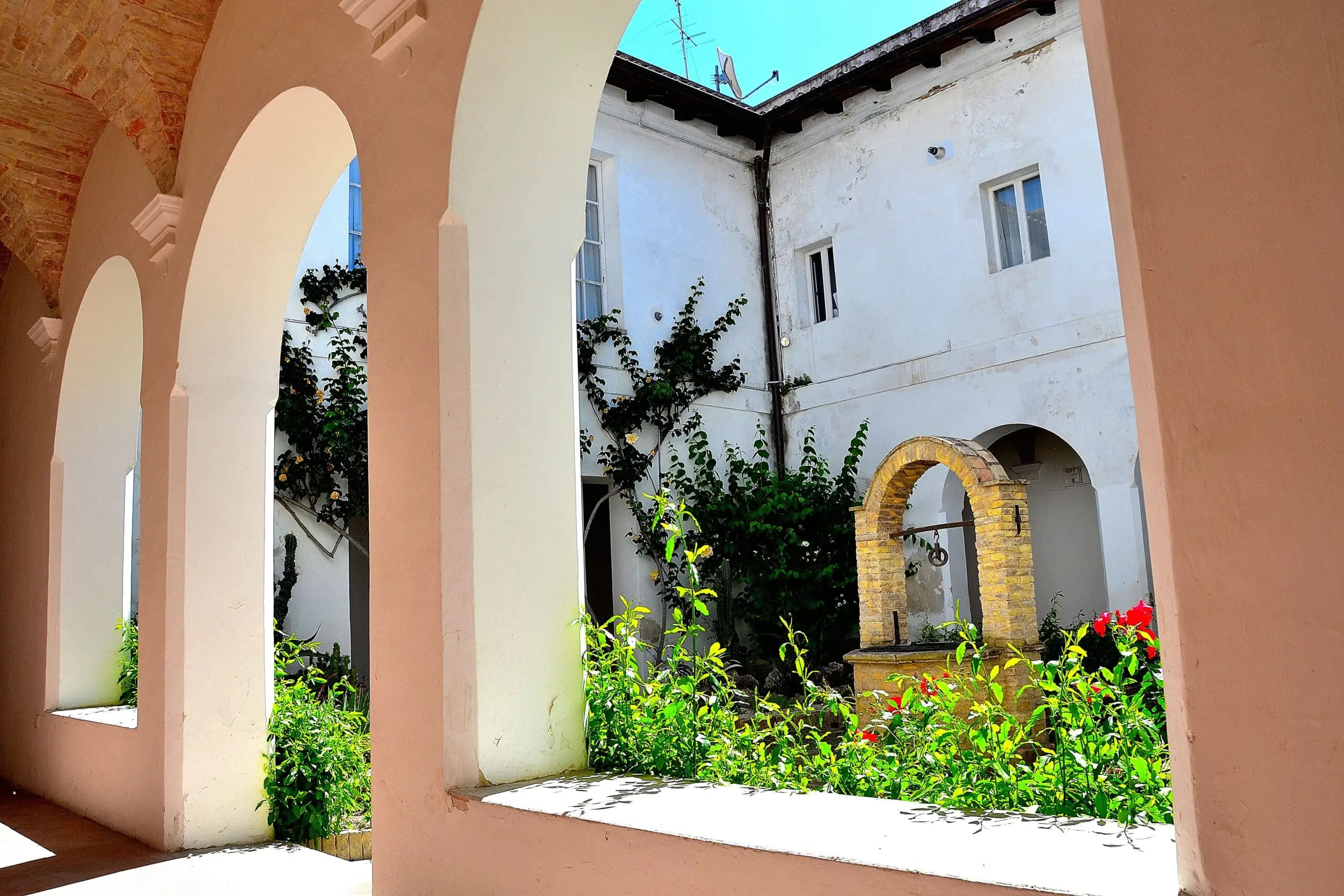
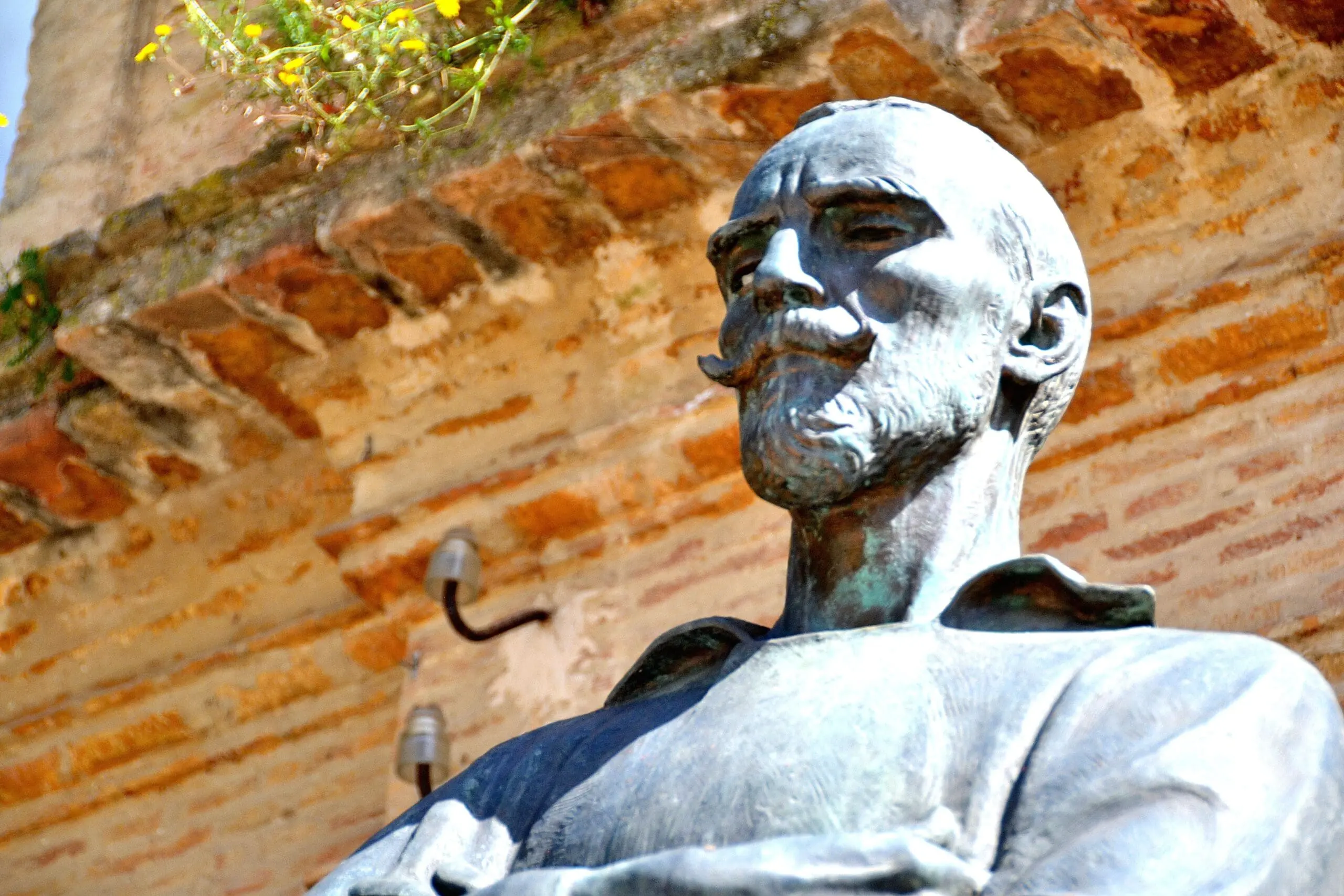
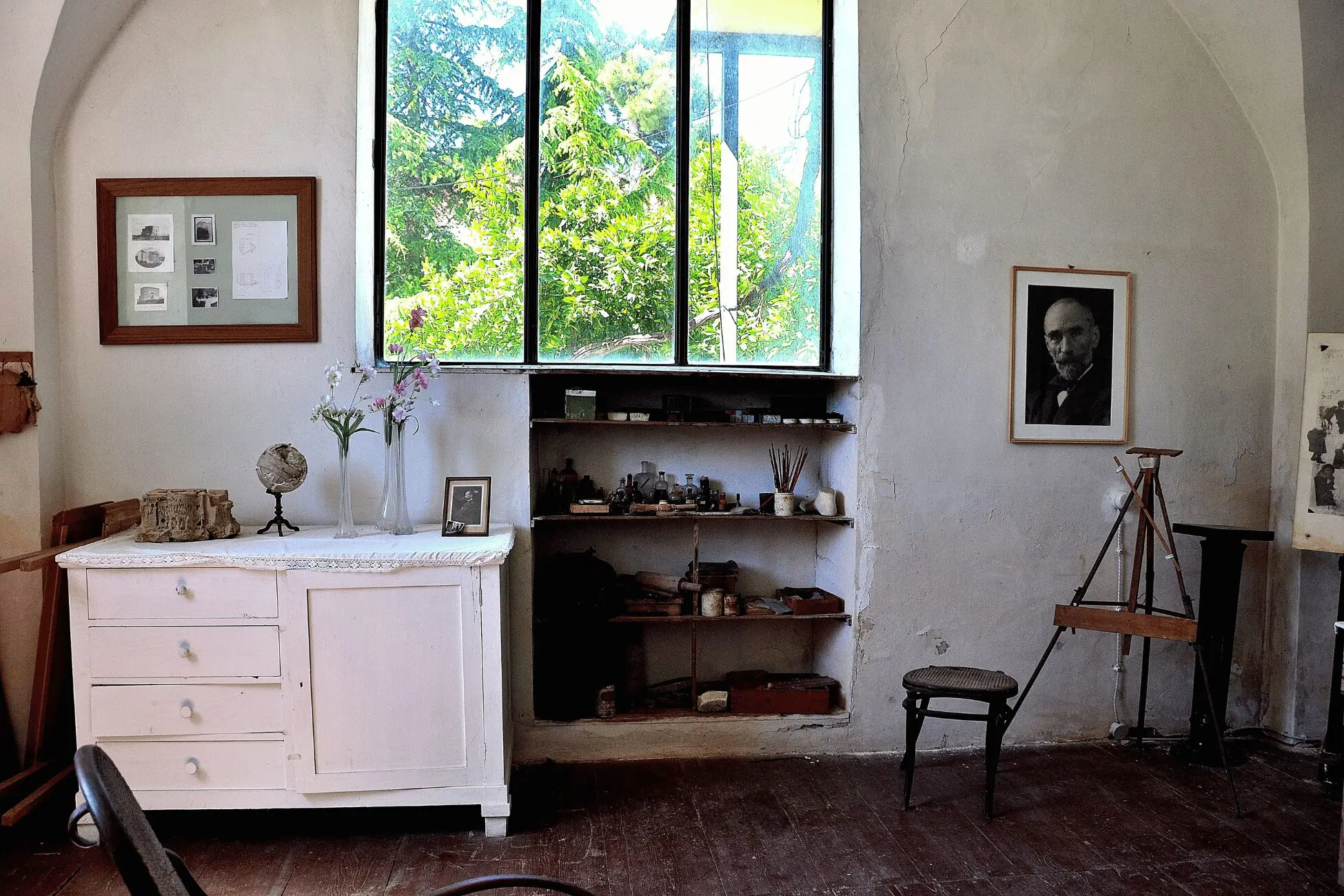
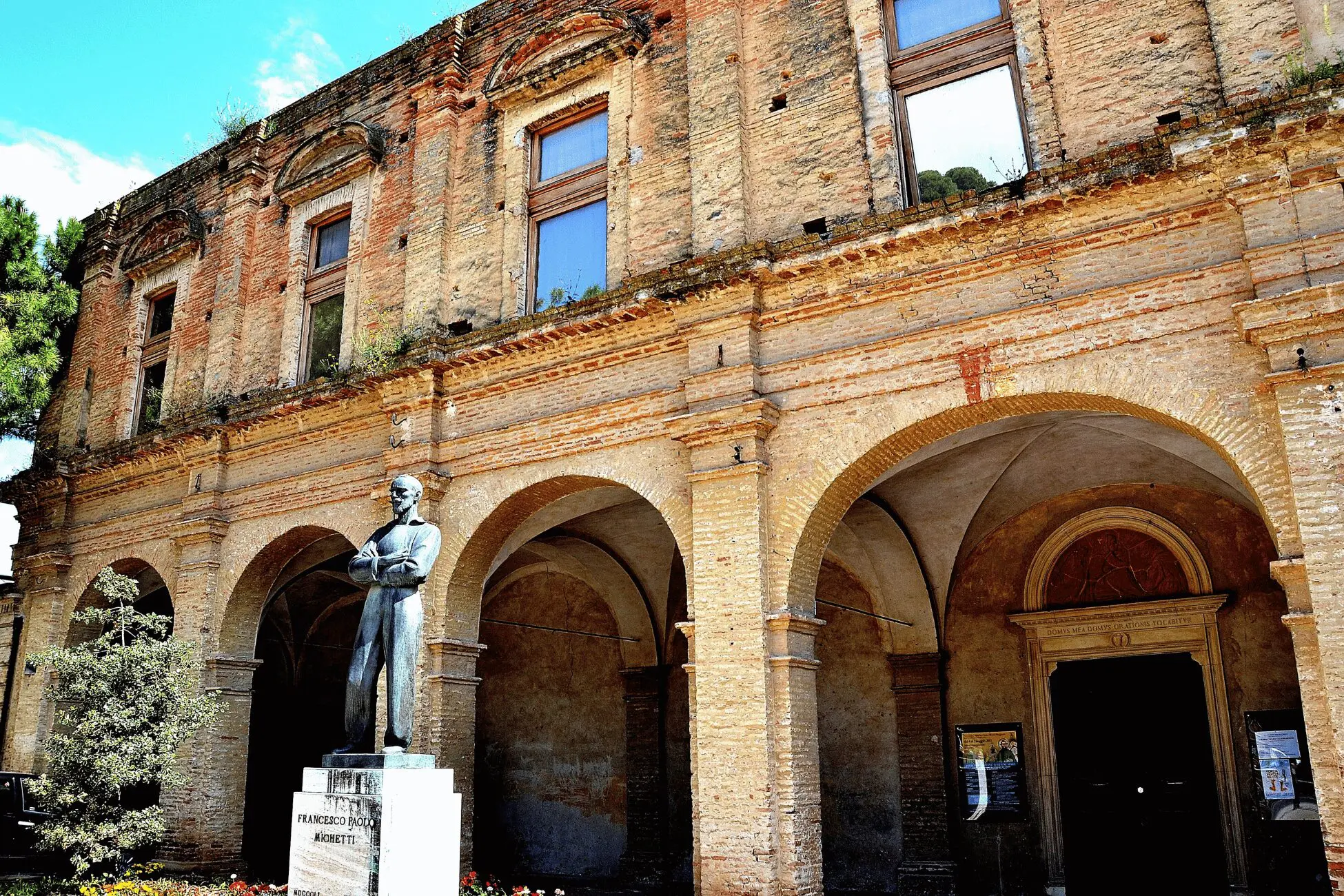
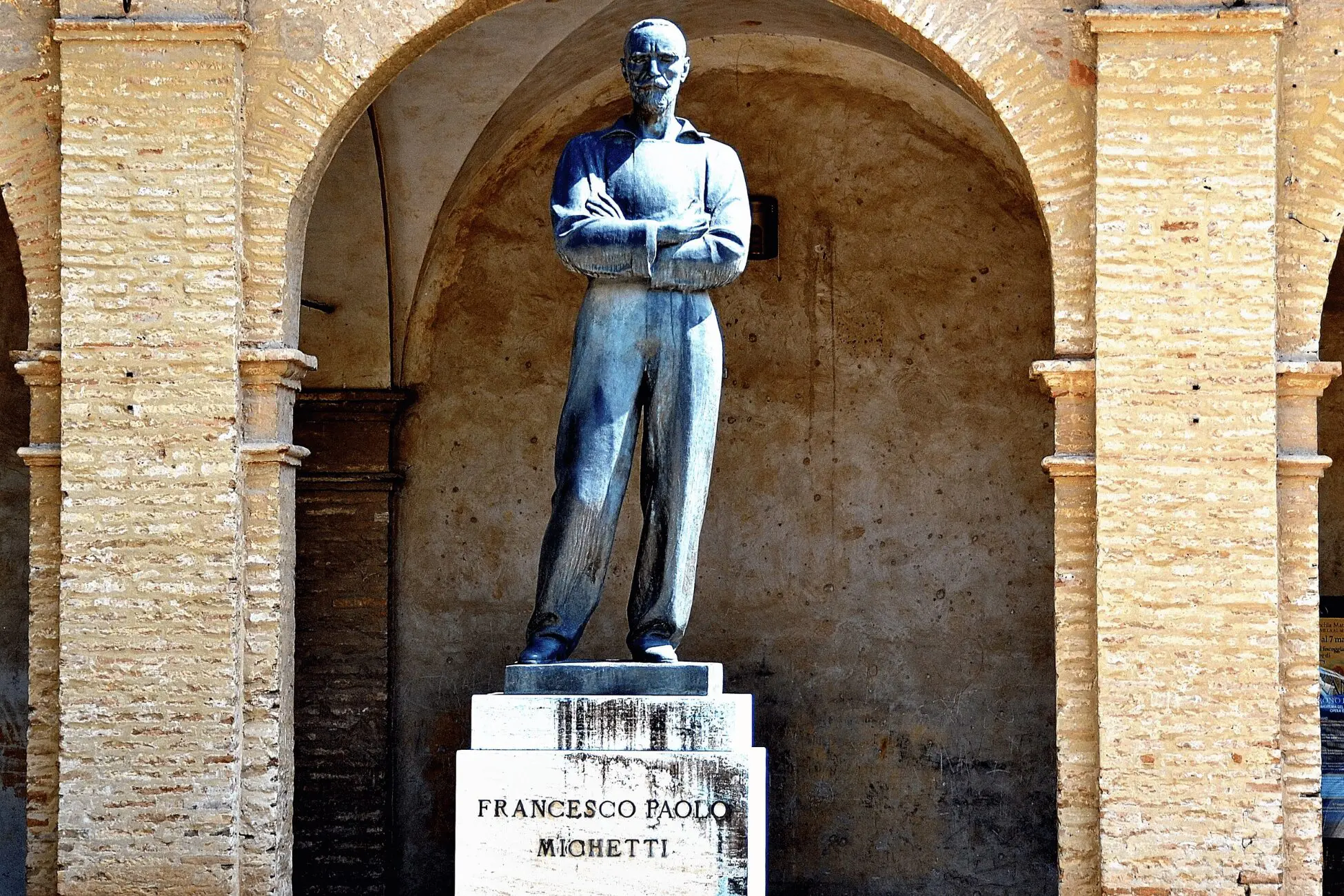
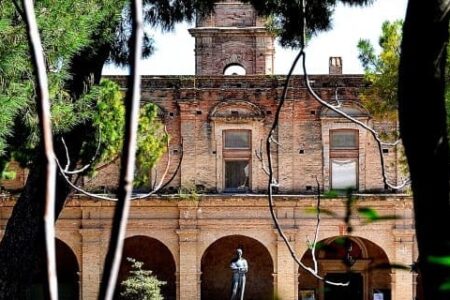
The town’s reputation was further enhanced during the same period by the circle of artists who gathered at the convent of Santa Maria del Gesù around Francesco Paolo Michetti, a visionary and multifaceted painter. He transformed it into a centre for meetings and literary exchange, where artists, writers and intellectuals shared experiences, ideas and reflections.
Figures such as Gabriele D’Annunzio, Costantino Barbella, Francesco Paolo Tosti, Matilde Serao, Edoardo Scarfoglio and many other intellectuals of the time brought Francavilla a level of fame that extended far beyond the region’s boundaries.
In the winter of 1943–44, during the Second World War, the town remained on the front line for many months and was razed to the ground by mines laid by the occupying German troops. The destruction affected both the upper town and the coast in their entirety.
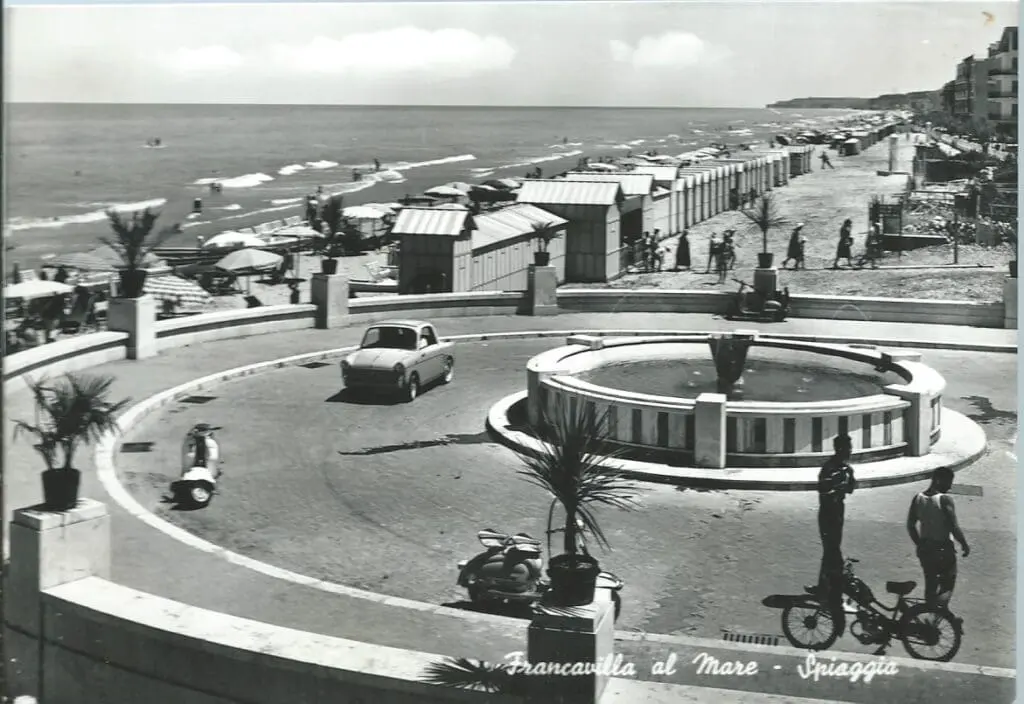
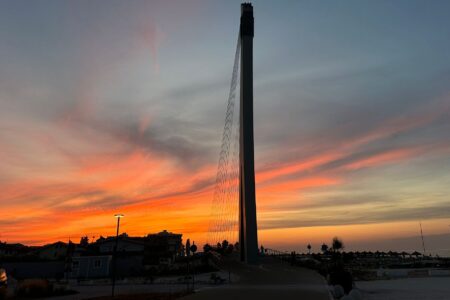
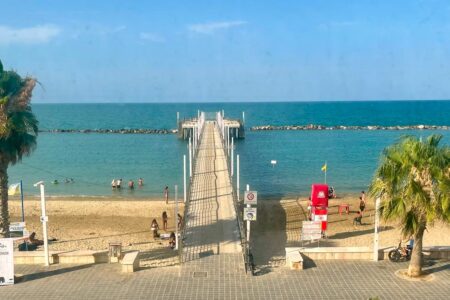
In the immediate post-war period, Francavilla was rebuilt in a modern style, expanding considerably along the seafront, which today boasts eight kilometres of beach.
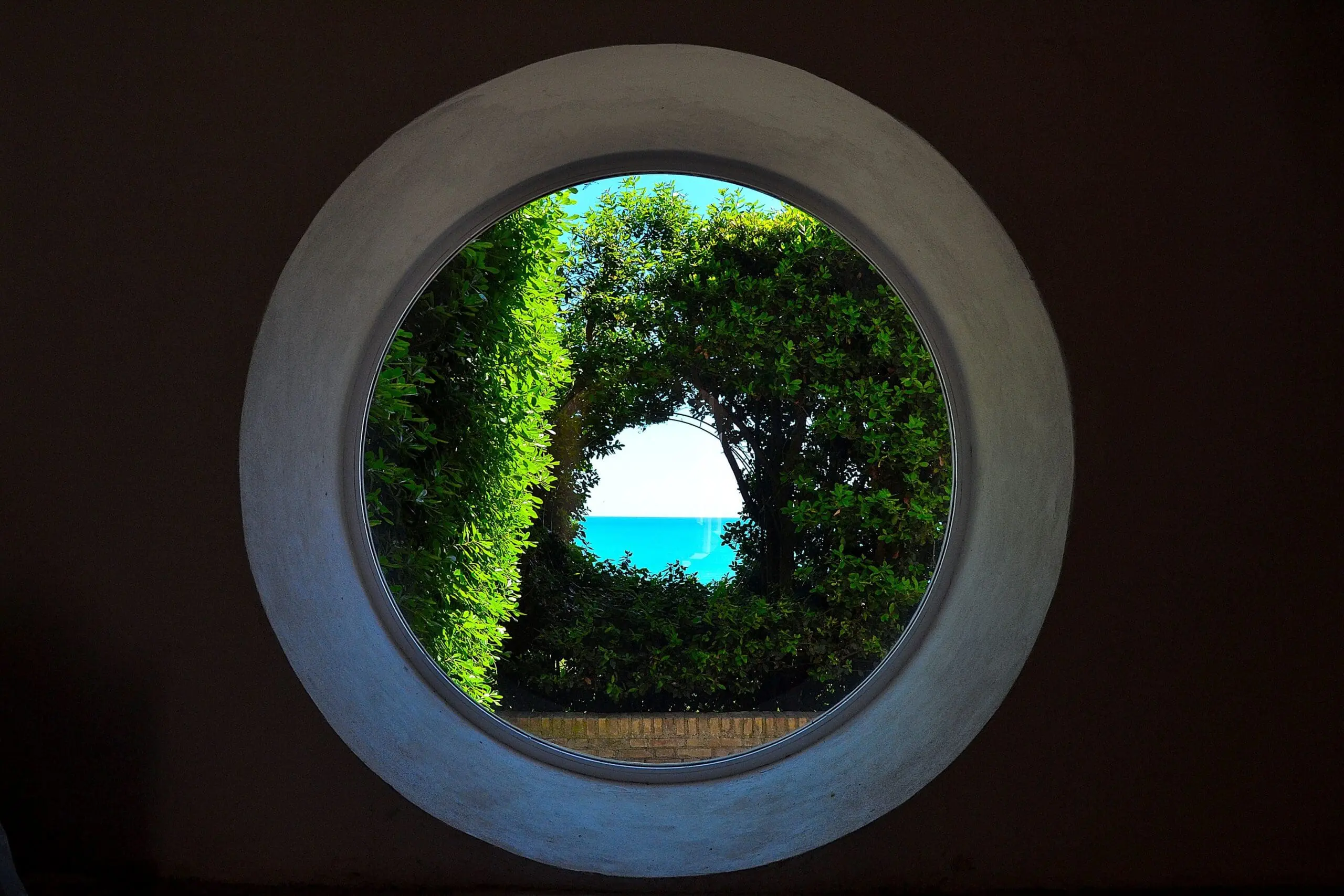
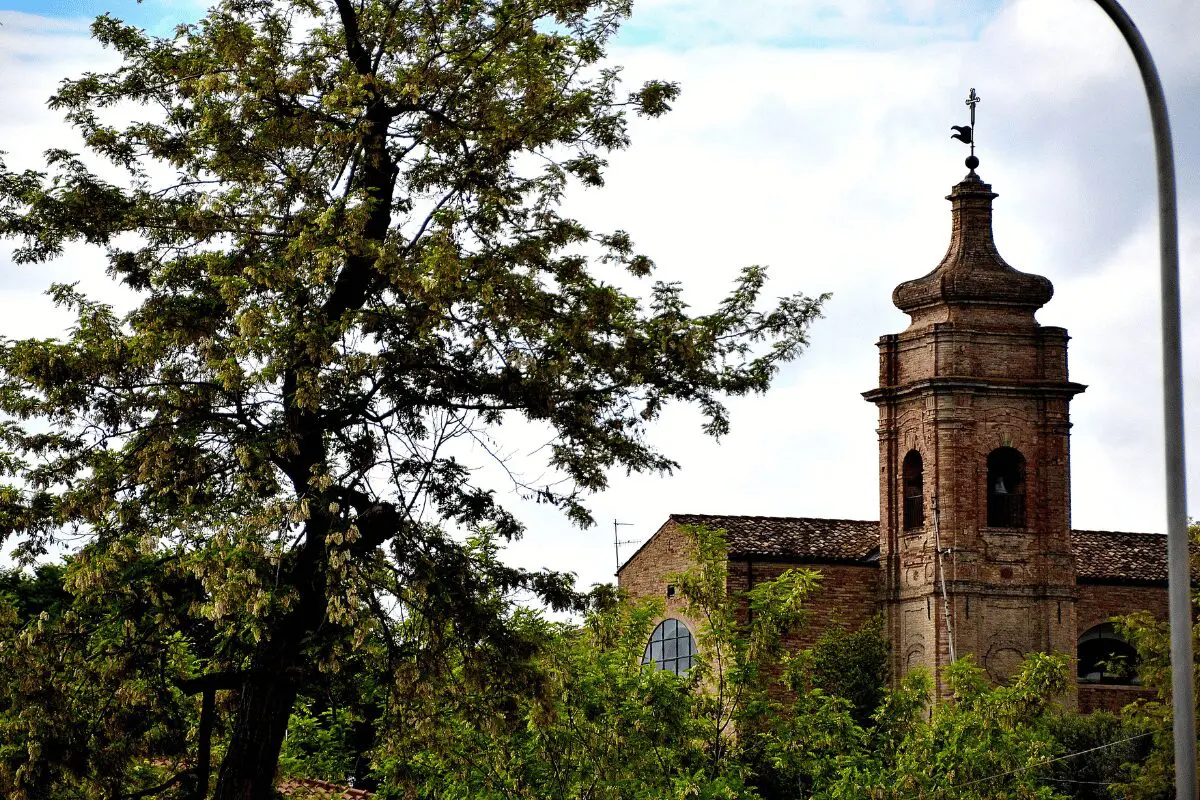
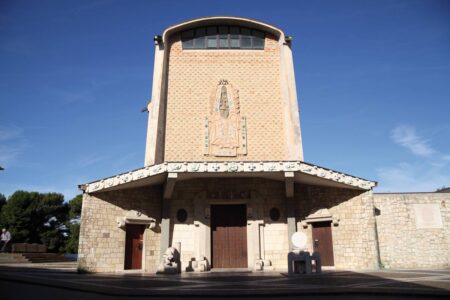
Francavilla al Mare is home to places of interest that reveal its most authentic identity, blending history, culture, art and seascapes. From the charm of Convento Michetti to the spirituality of Chiesa di Santa Maria Maggiore, also known as Chiesa di San Franco, every corner of the town invites you to discover a rich and evocative heritage.
Francavilla al Mare is a place that combines the charm of its maritime tradition with a lively cultural and tourist scene.
From strolls along the seafront to relaxing days on the beach, from artistic events to excursions exploring the local area, the town offers countless opportunities to enjoy authentic and engaging experiences.
Every season brings new ways to discover the history, traditions and natural beauty that make Francavilla one of the most popular destinations on the Adriatic coast.
Exploring the town by bike is ideal thanks to its strategic position along the Ciclovia Adriatica and its flat seafront landscape, perfect for cycling towards Pescara and Montesilvano. It is also the perfect starting point for reaching the famous Via Verde della Costa dei Trabocchi.
Francavilla, a town of art, fine food and beauty, has also become known in recent years as the “Town of Love”.